Nvidia Earnings 17 November: $108B Test After Huang Exit
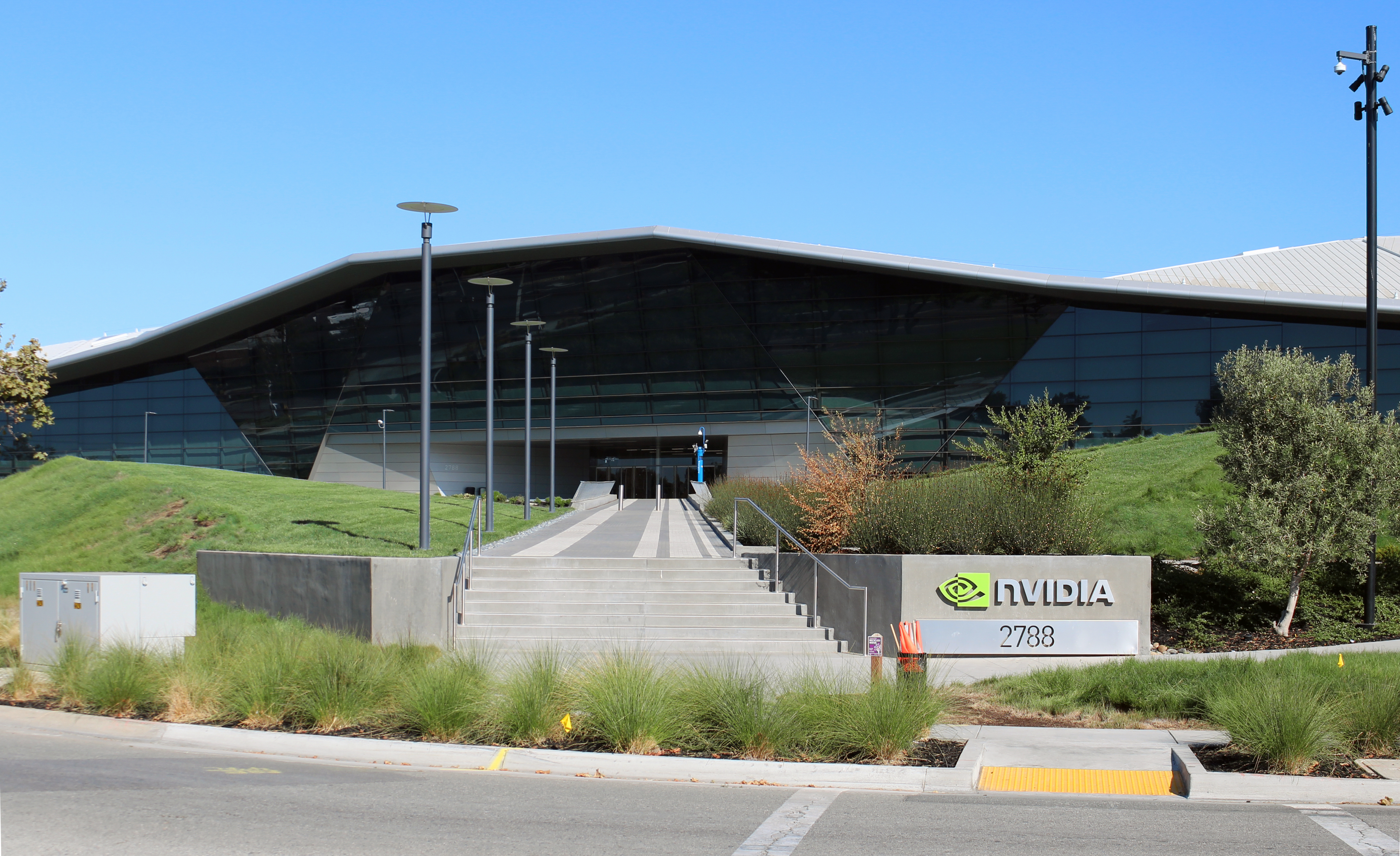
Nvidia reports its third-quarter fiscal 2027 results on Tuesday 17 November 2026, after the US market closes — and this is no ordinary earnings day. It is the company's first quarterly report since the board accepted chief executive Jensen Huang's resignation on 11 November and named chief financial officer Colette Kress as interim chief executive. The numbers themselves are enormous: Nvidia guided in August to revenue of $108.0 billion for the quarter, which would be about 90% higher than the same quarter a year ago. The market expects slightly more. And the options market is pricing a move of about 9% in either direction when the stock reopens on Wednesday.
This preview explains when the results land, what Nvidia itself guided, what analysts expect, what has changed at the top of the company, and the five things to watch when the numbers come out. It is not investment advice — it is a guide to reading the most important earnings report of the week.
When Nvidia Reports, and How to Follow It
Nvidia will report its third-quarter fiscal 2027 results on Tuesday 17 November 2026, at about 4:20 p.m. Eastern (1:20 p.m. Pacific), after the regular market close. Written commentary from interim chief executive Colette Kress is posted at about the same time, and the earnings call begins at 5:00 p.m. Eastern (2:00 p.m. Pacific). The quarter covered ended on 25 October 2026.
The schedule was confirmed by Nvidia in a press release on 12 November, and the company publishes the results and the call webcast through its investor relations pages. The first full stock-market reaction comes on Wednesday 18 November, when US markets reopen — the after-hours move on Tuesday evening is only the first signal, and it can change overnight.
The Numbers to Beat
Nvidia's own guidance sets the bar. In its second-quarter results on 26 August 2026, the company said revenue for the third quarter was expected to be $108.0 billion, plus or minus 2% — a range of $105.84 billion to $110.16 billion. Gross margins were guided at 74.0%, plus or minus 0.5 percentage points, for both GAAP and non-GAAP measures. Operating expenses were guided at about $9.2 billion on a GAAP basis. And the outlook assumed no Data Center compute revenue from China — a deliberate exclusion that has been in place for several quarters.
Against the $57.0 billion Nvidia reported for the same quarter a year earlier, the $108.0 billion midpoint would be 89.5% higher. Against the second quarter's $96.2 billion, it would be 12.2% higher. Those are the growth rates the market is judging the company against, and they explain why expectations are so high: Nvidia has to grow by roughly 90% year on year just to meet its own guidance.
Analysts expect slightly more than Nvidia guided. Consensus estimates put revenue at about $108.8 billion to $109.4 billion, depending on the survey — Visible Alpha put the figure at $109.4 billion on 13 November, while other surveys cluster around $108.8 billion to $109.2 billion — with adjusted earnings per share of about $2.47 to $2.48. That would be roughly 87% to 90% higher than a year ago on both measures. The gap between the consensus and the company's own guidance is small — about $1 billion on $108 billion — but it matters: a result inside Nvidia's guidance range but below the consensus could still disappoint the market, because the market has already priced in the higher number.
The Leadership Change
The report lands six days after the board accepted Jensen Huang's resignation as president, chief executive officer and director on 11 November. Chief financial officer Colette Kress is interim chief executive, and Harvey Jones is chair of the board, according to the Form 8-K Nvidia filed with the SEC on 12 November. The board is searching for a permanent chief executive, and Nvidia has not announced a reinstatement or a return for Huang.
One important fact about the timing: the quarter that Nvidia is reporting ended on 25 October, before Huang resigned. The results themselves therefore reflect the company as Huang ran it — the revenue, the margins and the Data Center sales are Huang-era numbers. What the leadership change affects is the outlook: the guidance for the fourth quarter, which Kress will give on the call, is the first forecast made under the new leadership, and it is the number the market will scrutinise most closely.
The background to the resignation has been widely reported. Reuters reported that Huang acknowledged to employees that he had been unfaithful to his wife, and that the board launched an independent investigation into the possibility that he had been targeted by a foreign intelligence service. The details remain a matter for the board's investigation, and this article does not go beyond what has been reported. Our earlier report on the resignation and the investigation is linked below.
What to Watch in the Report
Data Center revenue. This is the number that matters most. In the second quarter, Data Center revenue was $89.0 billion out of $96.2 billion in total revenue — more than nine-tenths of the company. The third-quarter figure will show whether demand for AI chips is still accelerating, holding steady, or starting to cool, and it is the line analysts will quote first.
The fourth-quarter outlook. Nvidia guides one quarter ahead, and the January-quarter revenue outlook is the handover signal. One pre-release analyst survey put the January-quarter figure at about $125.0 billion on average — an estimate, not a forecast Nvidia has issued. If Kress guides above that, the market will read it as confidence; if she guides below, it will read it as caution. The wording around the outlook matters as much as the number.
Gross margin. The guided 74.0% is very high by any standard, and it is a measure of Nvidia's pricing power in AI chips. A margin below the guided range would suggest discounting or a shift in the product mix; a margin above it would suggest the opposite. Either way, it is the second number to check after revenue.
China. Nvidia's outlook assumes no Data Center compute revenue from China. Any change in that assumption — or any comment from Kress about China demand, export controls or the competitive position there — will be closely watched, because China was once a major market for the company.
Kress's tone. This is Kress's first earnings call as interim chief executive, and the market will listen to how she frames the transition: whether she emphasises continuity, signals strategic change, or says anything about the permanent chief executive search. Her written commentary, posted at about 1:20 p.m. Pacific, will be read line by line before the call even begins.
The Market Backdrop
Nvidia is worth about $4.0 trillion, making it one of the most valuable companies in the world — and the most important single stock in the market. Its earnings move not just its own shares but the whole technology sector, because so many other companies' fortunes are tied to AI spending. That is why this report is treated as a market event rather than a company event.
The stock closed at $162.85 on Friday 13 November, and the options market implied a move of about 9.2% in either direction after the report — roughly $15 a share. Analysts, on average, still rate the stock a buy, with a mean price target of about $278 across 53 targets, according to data read on 14 November — though the share price sat below even the lowest target at that point, which shows how far the stock has fallen from its highs during the leadership turmoil.
None of that is a prediction. The market has been wrong about Nvidia before, in both directions, and a single quarter's numbers — however large — are only one data point. What is certain is that Tuesday evening will be the most watched hour in the market this week, and that the answers to the five questions above will set the tone for technology stocks into the end of the year.
Not investment advice: this article is a guide to reading Nvidia's earnings report. It is not a recommendation to buy, sell or hold any security, and the figures quoted are guidance and analyst estimates, not guarantees.
Frequently Asked Questions
When does Nvidia report earnings?
Tuesday 17 November 2026, after the US market closes. Results are released at about 4:20 p.m. Eastern (1:20 p.m. Pacific), and the earnings call begins at 5:00 p.m. Eastern (2:00 p.m. Pacific).
What revenue is Nvidia expected to report?
Nvidia guided in August to revenue of $108.0 billion, plus or minus 2% — a range of $105.84 billion to $110.16 billion. Analyst consensus is slightly higher, at about $108.8 billion to $109.4 billion, with adjusted earnings per share of about $2.47 to $2.48.
What quarter is Nvidia reporting on 17 November?
The third quarter of fiscal 2027, which ended on 25 October 2026. A year ago, in the same quarter, Nvidia reported revenue of $57.0 billion — so the $108 billion guide would be about 90% higher year on year.
Who is Nvidia's CEO now?
Chief financial officer Colette Kress is interim chief executive, after the board accepted Jensen Huang's resignation on 11 November 2026. Harvey Jones is chair of the board, and the board is searching for a permanent chief executive.
Why did Jensen Huang resign from Nvidia?
The board accepted his resignation on 11 November 2026. Reuters reported that Huang acknowledged to employees that he had been unfaithful to his wife, and that the board launched an independent investigation into the possibility that he had been targeted by a foreign intelligence service. The details are a matter for the board's investigation.
Does the reported quarter include the leadership change?
No. The quarter ended on 25 October 2026, before Huang resigned on 11 November. The results reflect the company as Huang ran it; the fourth-quarter outlook, given on the call, is the first forecast under the new leadership.
What is the most important number in Nvidia's report?
Data Center revenue. In the second quarter it was $89.0 billion out of $96.2 billion in total revenue — more than nine-tenths of the company. It shows whether demand for AI chips is still accelerating. The fourth-quarter outlook is the second number to watch.
When does Nvidia's stock react to the earnings?
The first reaction comes in after-hours trading on Tuesday evening, but the first full reaction is when US markets reopen on Wednesday 18 November. The options market implied a move of about 9.2% in either direction.
Related Reading
- Nvidia's Jensen Huang: The Probe, the Affair and the Resignation — our earlier report on the resignation and the investigation.
- Samsung and Google's Intelligent Eyewear Launches — the other big tech launch of November 2026.
- GTA 6 Launch: Release Date, Price, Pre-Load Guide — the biggest launch of the month, and a major test for gaming hardware.
Sources
- FourWeekMBA — Nvidia Earnings Nov. 17: $108B Guide, 89% Above a Year Ago — the $108.0 billion guide, the 26 August CFO commentary, Kress's interim role, and the reporting time.
- OANDA — NVIDIA Q3 earnings preview: Record expectations, rising risk — the consensus of about $109 billion and $2.47–$2.48 EPS, the 74% margin guide, and the Reuters reporting on Huang.
- Saxo — Nvidia earnings preview: The first big test after Jensen Huang's exit — the Bloomberg-sourced consensus of $109.1 billion revenue and $2.47 EPS, and the 5 p.m. ET call time.
- SentiSense — Big Tech Earnings This Week: Nvidia Reports November 17, 2026 — the $4.0 trillion market value, the $108.84 billion consensus, the 8-K leadership details, the $162.85 close, the 9.2% implied move and the analyst targets.
- WEEX — Nvidia Q3 FY2027 Earnings Preview: Date, Time and What to Watch — the 4:20 p.m. ET release and 5:00 p.m. ET call, the Visible Alpha $109.4 billion estimate, and the $125.0 billion January-quarter survey.
This article was published on 17 November 2026, before Nvidia's results. Guidance figures come from Nvidia's 26 August 2026 CFO commentary; consensus figures are analyst estimates from the sources above. This article is not investment advice.