EU Proposes €45 Billion Loan for Ukraine in 2027
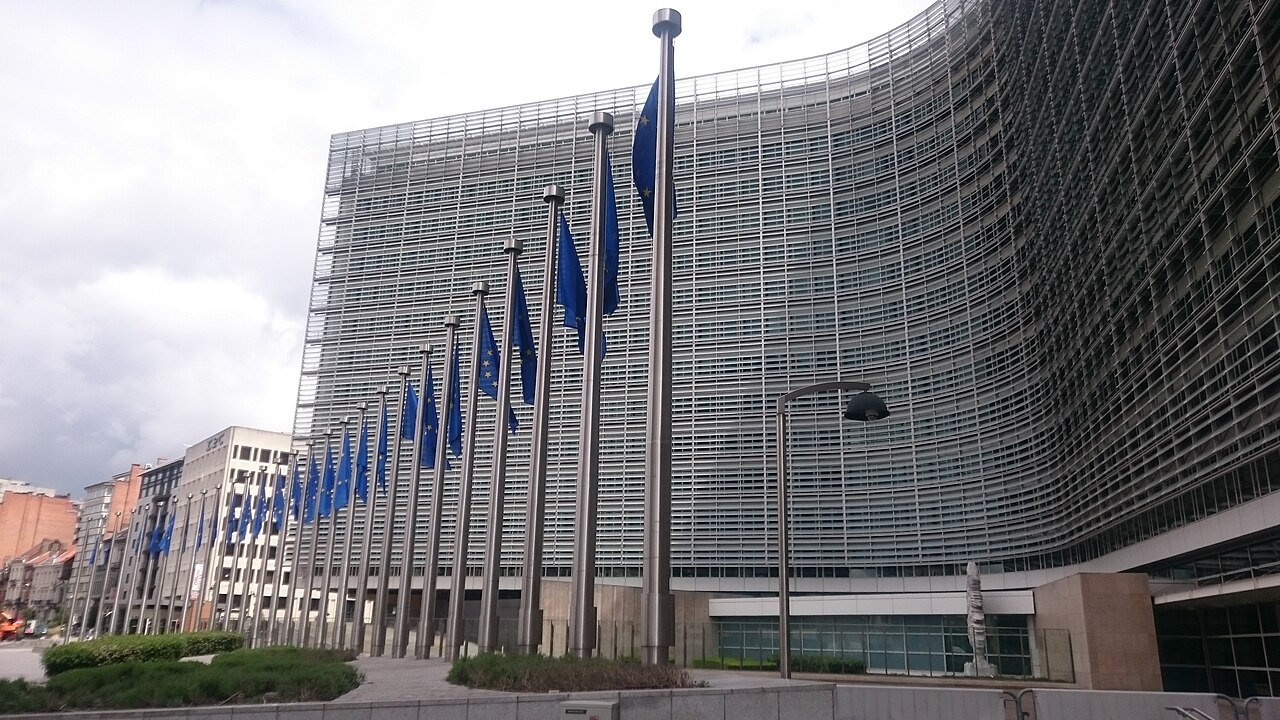
What happened: On Wednesday 18 November 2026, the European Commission proposed a new €45 billion ($49.5 billion) loan for Ukraine for 2027, split between military aid and general budget support. Ukraine would only repay the principal once Russia has paid reparations for the damage caused by the war. The proposal still needs approval from EU member countries before any money can flow.
On Wednesday 18 November 2026, the European Commission proposed a new €45 billion loan for Ukraine, worth about $49.5 billion, to help cover the country’s funding needs in 2027. It would cover about two-thirds of Ukraine’s expected €70 billion funding gap for next year, with the rest expected to come from Ukraine’s other international partners. The money would be split between military aid and general budget support, and Ukraine would only repay the principal once Russia has paid reparations for the damage caused by the war.
The proposal is not agreed money yet: it still needs approval from the EU’s member countries, and it is on the table at the EU leaders’ meeting at the end of November. Commission President Ursula von der Leyen said she was confident all 27 EU members would back it. This article sets out what was proposed, how the money breaks down, how repayment would work, what still has to happen, and how the plan fits with aid already agreed.
What the Commission Proposed
The European Commission put forward the plan on Wednesday 18 November 2026. It proposes a new loan of €45 billion — about $49.5 billion — for Ukraine in 2027. The figure is based on an EU assessment, published in late October 2026, which put Ukraine’s funding shortfall for next year at €70 billion. The new loan would cover about two-thirds of that gap; the remaining €25 billion would need to come from Ukraine’s other international partners.
The proposal comes after Russia’s full-scale invasion of Ukraine, which began in 2022. Since then, the EU and its member states have given Ukraine a combined €235.9 billion in military and financial aid, according to European Commission data. The new loan is the latest step in that support, aimed specifically at the funding gap identified for 2027.
The loan would be financed through EU borrowing on the capital markets, guaranteed by the EU budget — the EU would raise the money by borrowing, with the EU budget standing behind it. The legislation comes in two parts: a proposal for the loan itself, and a proposal to amend the EU’s long-term budget so it can provide the guarantees. The new facility would be incorporated into the next seven-year EU budget, which runs from 2028 to 2034.
How the €45 Billion Breaks Down
The €45 billion is split into two parts: up to €25 billion for military aid and up to €20 billion for general budget support. Together they add up to the full €45 billion, covering both sides of Ukraine’s needs in 2027 — the cost of its defence, and the cost of keeping the state itself running.
Military aid is the larger share: at up to €25 billion, it accounts for more than half of the proposed loan. Budget support, at up to €20 billion, is the smaller share. General budget support goes into the government’s general budget, rather than being tied to one specific project, which gives the government flexibility in how it is used.
The two-thirds figure matters. Even if the loan is approved in full, Ukraine would still need roughly €25 billion from its other international partners to close the €70 billion gap completely. The proposal does not claim to cover the whole shortfall on its own.
How Repayment Would Work
The most unusual part of the proposal is the repayment terms. Under the plan, Ukraine would repay the principal — the €45 billion itself — only once Russia has paid reparations for the damage caused by the war, so repayment is linked to reparations rather than to a fixed date.
The interest is treated separately. Technically Ukraine is responsible for it, but the first interest payment is not due until 2028 and would be paid out of the EU budget — in practice, the EU budget would cover the interest cost when it first falls due.
The loan would be financed through EU borrowing on the capital markets, with the EU budget providing the guarantee — the budget stands behind the borrowing, and that backing is part of what allows the EU to borrow the money in the first place.
Taken together, the terms give Ukraine funding now, while tying repayment to reparations in the future. That is the structure the Commission has proposed; whether member countries accept it will decide whether the loan goes ahead.
What Still Needs to Happen
First, this is a proposal, not agreed money. The Commission has put the plan on the table, but it needs approval from EU member countries before any money can flow. Until then, the €45 billion is a plan, not a payment.
Commission President Ursula von der Leyen said she was confident that all 27 EU members would back the proposal. The plan is on the table at the EU leaders’ meeting at the end of November. The new loan asks all 27 member states to take part — a point that matters, because not all of them took part in the last big Ukraine loan.
The legislation comes in two parts: the proposal for the loan, and a proposal to amend the EU’s long-term budget to provide the loan guarantees. Both parts have to be agreed for the plan to work, and the new facility would be incorporated into the next seven-year EU budget for 2028 to 2034.
How It Fits With Earlier Aid
The new loan would come on top of a €90 billion loan agreed by EU leaders at the end of last year to fund Ukraine in 2026 and 2027. The new €45 billion proposal adds a further layer of support aimed specifically at the 2027 funding gap.
There is one important difference between the two loans. In the €90 billion loan, the Czech Republic, Hungary and Slovakia opted out of financial participation, while the new loan asks all 27 member states to take part. That is why the Commission President’s confidence that all 27 will back the plan matters: the proposal is built on every member state taking part.
The wider picture is one of very large support over a long period: the EU and its member states have given Ukraine a combined €235.9 billion in military and financial aid since 2022, according to European Commission data. The €45 billion proposal, if approved, would add to that total, directed at the shortfall identified for 2027.
The €70 billion shortfall itself was assessed in an EU assessment published in late October 2026. The new loan would cover about two-thirds of it, so the plan also depends on support from Ukraine’s other international partners.
What It Means for 2027
If the proposal is approved, this one loan would cover about two-thirds of Ukraine’s €70 billion gap for 2027. The remaining share would still need to come from other partners, but the loan would take care of the largest part of the shortfall: up to €25 billion in military aid and up to €20 billion in budget support.
The next thing to watch is the EU leaders’ meeting at the end of November, where the proposal is on the table. That meeting will show whether the member countries are ready to back the plan and whether all 27 will take part. After that, the two pieces of legislation — the loan and the budget amendment for the guarantees — will need to be agreed.
Looking further ahead, the first interest payment would fall due in 2028, paid out of the EU budget, and the new facility would be incorporated into the EU’s next seven-year budget for 2028 to 2034. The principal would only be repaid once Russia has paid reparations. Those are the terms as proposed; the approval process will decide whether they become reality.
The European Commission has proposed a €45 billion loan for Ukraine in 2027, with repayment tied to Russian reparations. It still needs the approval of EU member countries. Until that approval comes, it remains a proposal — an important one, but not yet agreed money.
Frequently Asked Questions
How much money is the EU proposing to lend Ukraine in 2027?
The European Commission has proposed a new loan of €45 billion, worth about $49.5 billion, for Ukraine in 2027. The loan would cover about two-thirds of Ukraine’s expected €70 billion funding gap for next year, and the rest would come from Ukraine’s other international partners.
How would the €45 billion be split?
Up to €25 billion would go to military aid and up to €20 billion to general budget support. Together they add up to the full €45 billion. Military aid is the larger share, at more than half of the total, while budget support goes into the government’s general budget rather than being tied to one specific project.
When would Ukraine have to repay the loan?
Ukraine would repay the principal — the €45 billion itself — only once Russia has paid reparations for the damage caused by the war. The interest is separate: technically Ukraine is responsible for it, but the first payment is not due until 2028, and it would be paid out of the EU budget.
Is the €45 billion loan already agreed?
No. The plan is a proposal from the European Commission and needs approval from EU member countries before any money can flow. Commission President Ursula von der Leyen said she was confident that all 27 EU members would back it, and the proposal is on the table at the EU leaders’ meeting at the end of November.
How does this loan relate to the €90 billion loan agreed last year?
EU leaders agreed a €90 billion loan at the end of last year to fund Ukraine in 2026 and 2027, and the new €45 billion loan would come on top of that, aimed at the 2027 gap. In the €90 billion loan, the Czech Republic, Hungary and Slovakia opted out of financial participation; the new loan asks all 27 member states to take part.
Where would the money for the loan come from?
The loan would be financed through EU borrowing on the capital markets, guaranteed by the EU budget. The legislation comes in two parts: the loan itself, and an amendment to the EU’s long-term budget to provide the guarantees. The new facility would be incorporated into the next seven-year EU budget for 2028 to 2034.
How much aid has the EU given Ukraine since 2022?
The EU and its member states have given Ukraine a combined €235.9 billion in military and financial aid since 2022, according to European Commission data. The new €45 billion loan, if approved, would add to that total.
Why does Ukraine need €70 billion in 2027?
Ukraine’s funding shortfall for 2027 was assessed at €70 billion in an EU assessment published in late October 2026. The proposed €45 billion loan would cover about two-thirds of it; the remaining €25 billion would need to come from Ukraine’s other international partners.
Related Reading
- Ukraine Strikes Crimean Bridge: Arch Collapses, Road Cut — our report on Ukraine’s strike on the Crimean Bridge.
- Russia-Ukraine Talks Resume in Abu Dhabi After Nine Months — the latest round of Russia-Ukraine talks.
Sources
- Reuters — EU proposes new €45 billion loan for Ukraine for 2027, to be repaid by Russia — the Commission’s proposal, the €45 billion figure and the repayment terms.
- Reuters explainer — What is the EU’s new €45 billion Ukraine loan plan? — an explainer on how the loan plan would work, including the split and the guarantees.
- Agence Europe — European Commission proposes €45 billion EU loan to Ukraine — the proposal and the budget shortfall it would cover.
This article was published on 19 November 2026 and reports the European Commission’s proposal of 18 November 2026. The €45 billion loan is a proposal and needs approval by EU member states before any money flows. This article is general information, not financial or legal advice.