Published: 23 November 2026 · Updated: 23 November 2026
A €400,000 home in Ireland with a 10% deposit, a 3.53% rate and a 30-year term costs €1,622.60 per month. Enter your own home price, deposit, rate, term and income below and this free Ireland mortgage calculator shows your monthly payment, the stamp duty, the cash you need on day one, and whether the loan fits the Central Bank of Ireland's borrowing limits — instantly, in EUR.
€400,000 home, 10% deposit, 3.53% over 30 years = €1,622.60/month, with €4,000 stamp duty and €44,000 cash needed on day one. The Central Bank of Ireland reported the average rate on new mortgages was 3.53% in August 2026, and the median price paid for a home in Ireland was €400,000 in the 12 months to September 2026 — so 3.53% is a realistic mid-point for a typical buyer. First-time buyers can borrow up to 4 times gross income and 90% of the price.
Researched by MixKhazana Team · Last updated 23 November 2026 · Data: Central Bank of Ireland (average new mortgage rates, August 2026; mortgage measures 2026) · Revenue (stamp duty, Help to Buy) · CSO (median house price, 12 months to September 2026)

An Ireland mortgage calculator works out the monthly payment on a home loan in Ireland, using Irish rules: the Central Bank's loan-to-income and loan-to-value limits, Irish stamp duty, and the rates Irish lenders actually charge. You enter the home price, your deposit, the interest rate and the term, and it shows the monthly repayment, the total interest, the stamp duty and the cash you need on day one. The average rate on new Irish mortgages was 3.53% in August 2026, according to the Central Bank of Ireland — that is the rate this calculator uses as its default, so the result reflects the real Irish market rather than a generic guess.
The monthly payment uses the standard amortisation formula:
M = P × r × (1 + r)n ÷ ((1 + r)n − 1)
M is the monthly payment, P is the loan amount (home price minus deposit), r is the monthly interest rate (annual rate ÷ 12), and n is the number of monthly payments (years × 12). Stamp duty is separate: 1% of the price up to €1,000,000, and 2% on the amount above €1,000,000. The Central Bank limits are also separate checks: the loan may not exceed 4× gross income for first-time buyers or 3.5× for second-time buyers, and it may not exceed 90% of the home's value for a principal home.
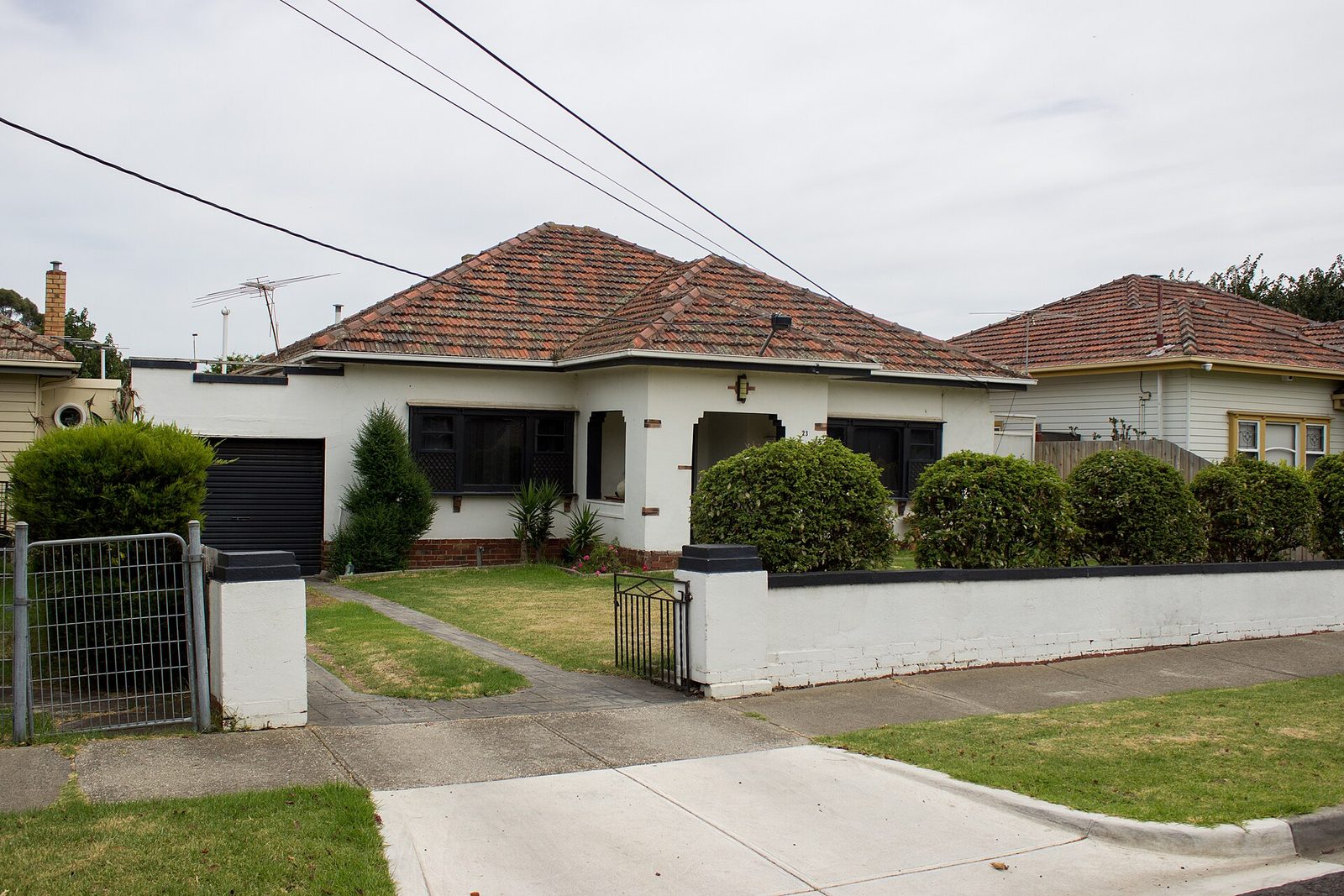
A couple buying a €400,000 home in Dublin as first-time buyers, with a 10% deposit and a 3.53% rate over 30 years:
| Figure | Value | Source |
|---|---|---|
| Average rate, new mortgages | 3.53% (August 2026) | Central Bank of Ireland |
| Average rate, new fixed-rate mortgages | 3.44% (July 2026) | Central Bank of Ireland |
| Average rate, new variable-rate mortgages | 4.11% (July 2026) | Central Bank of Ireland |
| Green fixed rates (BER A–B homes) | From about 3.00% | Irish lenders, 2026 |
| Median home price paid | €400,000 (12 months to September 2026) | CSO |
| Loan-to-income limit, first-time buyers | 4× gross income | Central Bank of Ireland |
| Loan-to-income limit, second-time buyers | 3.5× gross income | Central Bank of Ireland |
| Loan-to-value limit, principal home | 90% (10% deposit) | Central Bank of Ireland |
| Stamp duty, residential | 1% to €1,000,000; 2% above | Revenue |
| Help to Buy, first-time buyers | Up to €30,000 tax refund | Revenue |
Irish rates fell through 2025 and 2026 as the ECB cut its key rates, and green mortgages — for homes with a BER rating of A or B — now sit roughly 0.20–0.35% below standard fixed rates. That gap is worth real money: on a €360,000 loan over 30 years, a 0.30% lower rate saves about €55 a month. If you are buying a new-build, check its BER rating before you compare rates. Moving to Ireland for work? See our sister site's guide to the best bank accounts in Ireland for expats — you will need an Irish account before most lenders will talk to you.
At the Central Bank of Ireland's average new-mortgage rate of 3.53% (August 2026) over 30 years, a €360,000 mortgage costs €1,622.60 per month. Your actual payment depends on your rate, term and deposit, so enter your own figures in the calculator above for an exact number.
First-time buyers need a minimum 10% deposit under the Central Bank of Ireland's rules (90% maximum loan-to-value), and second-time buyers also need 10% for a principal home. On a €400,000 home that is €40,000, plus stamp duty and legal costs paid from savings on top.
The Central Bank of Ireland caps borrowing at 4 times gross annual income for first-time buyers and 3.5 times for second-time buyers. A couple earning €90,000 combined can therefore borrow up to €360,000 as first-time buyers, subject to the lender's own affordability checks.
Irish stamp duty on residential property is 1% of the purchase price up to €1,000,000 and 2% on any amount above that. On a €400,000 home the stamp duty is €4,000, payable to Revenue within 44 days of the deed.
Help to Buy gives first-time buyers a refund of income tax paid — up to €30,000 — towards the deposit on a new-build or self-build home. The home must cost €500,000 or less, and the refund is 5% of the purchase price up to that €30,000 cap.
Fixed rates are cheaper in Ireland right now: the Central Bank reported an average new fixed rate of 3.44% in July 2026 against 4.11% for new variable rates. A fixed rate locks your payment for 1–10 years, while a variable rate can rise or fall with the market and usually allows overpayments without penalty.
Yes. Irish banks lend to EU citizens and to non-EU residents with an Irish income and a PPS number. You will need proof of income, bank statements, ID and usually a deposit of at least 10%. Non-residents should expect stricter checks, and some lenders require you to hold an Irish bank account first.
APRC (Annual Percentage Rate of Charge) is the total cost of the mortgage as a yearly rate, including the interest rate plus fees such as valuation and legal costs. Irish lenders must show it, and it is the fairest way to compare two mortgage offers — a lower headline rate with high fees can have a higher APRC than a slightly higher rate with no fees.
Rates and limits on this page come from the Central Bank of Ireland (average interest rates on new mortgage agreements, August 2026; mortgage measures — loan-to-income and loan-to-value limits, 2026), Revenue (stamp duty rates on residential property; Help to Buy), and the Central Statistics Office (median house price, 12 months to September 2026). Figures change: check the current rate with your lender before you apply. This calculator is an estimate only and is not financial advice.

Monthly payments for a German Baufinanzierung, with Tilgung and Grunderwerbsteuer by state.
Calculate →Monthly payments on a UK mortgage, with stamp duty and deposit checks.
Calculate →Monthly payments for a French mortgage, with notary fees and insurance.
Calculate →How much deposit you need, and how it changes your monthly payment.
Calculate →
How much house you can afford on your income, before you start viewing.
Calculate →Card photos: MixKhazana heroes library — see the individual pages for credits.
 MixKhazana