Prague Travel Guide 2026: The City of a Hundred Spires
Few European cities reward a short break like Prague. Gothic spires, Baroque rooftops and a river that seems made for morning walks — all at prices that still undercut Paris, Rome and London. This 2026 guide covers Prague's history, its most beautiful corners, how locals actually live, and practical tips to plan a smart city break.
Why Visit Prague in 2026
Prague keeps topping traveller wishlists — a recent Safestay/Find Out Now survey placed it joint number one on the UK 2026 city-break wishlist at 17%, tied with Copenhagen. The appeal is easy to understand: world-class architecture, a compact walkable centre, and value that holds up. A mid-range trip typically runs around €170–240 per night for a comfortable hotel and daily spending, making Prague one of the best-value capitals in Western and Central Europe.
Crossing the Charles Bridge at dawn before the crowds arrive, watching the castle silhouette catch the morning light — these are moments you will remember long after the trip ends. 2026 is as good a year as any to plan yours.
A Short History of Prague
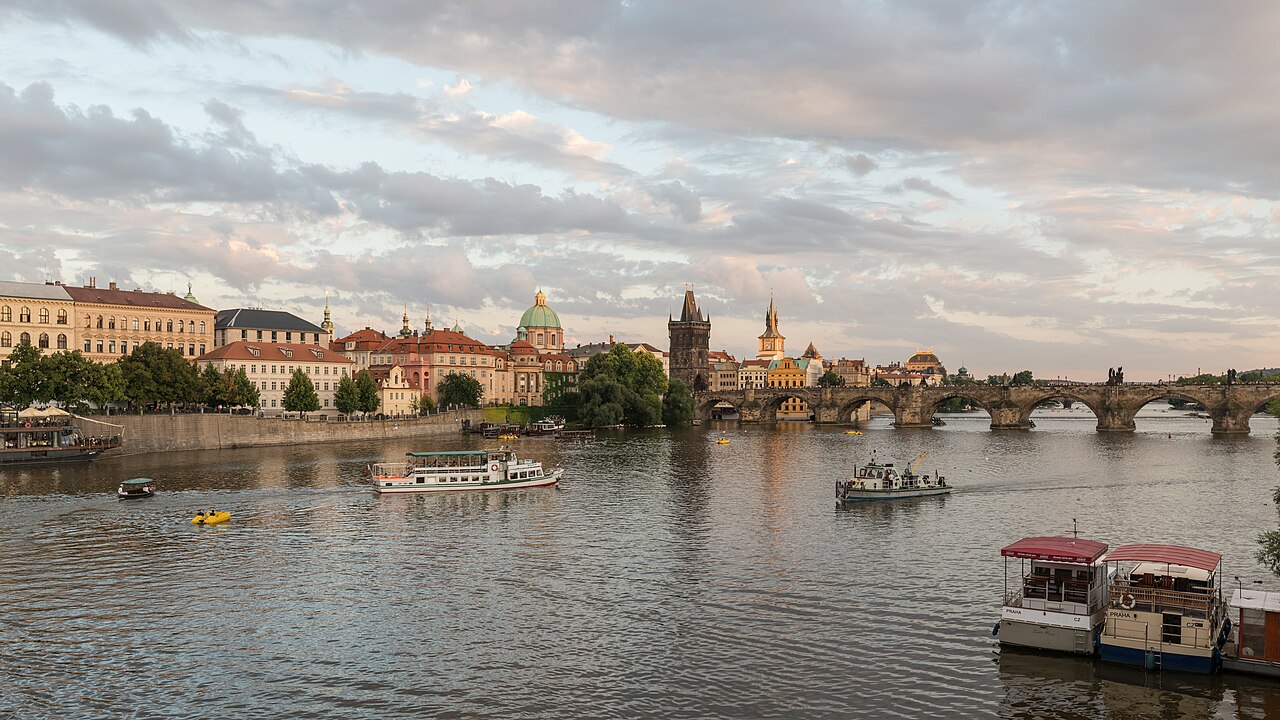
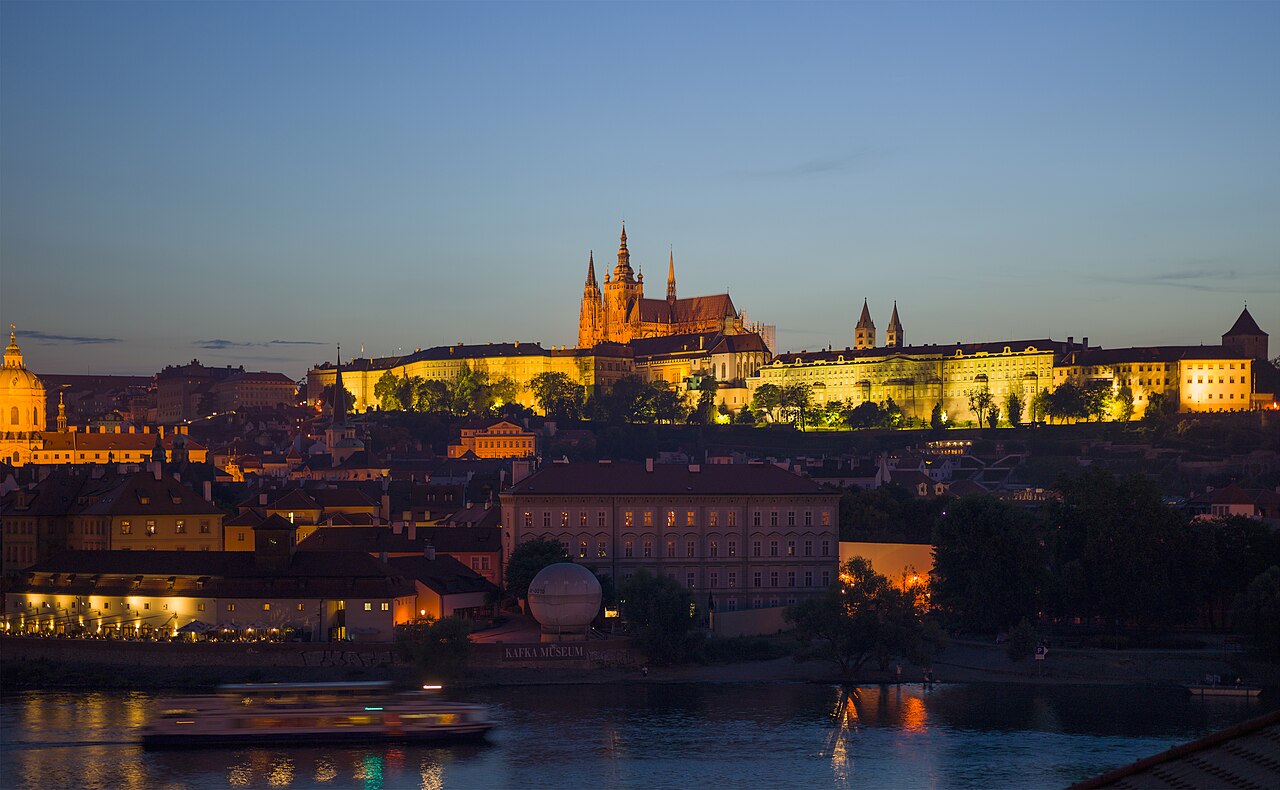
Prague's story stretches back over a thousand years. Prague Castle was founded around 870 and grew into one of the largest ancient castle complexes in the world — it still dominates the skyline today. The city's golden age came under Charles IV, who founded Prague University on 7 April 1348 (the first in Central Europe) and made Prague the capital of the Holy Roman Empire.
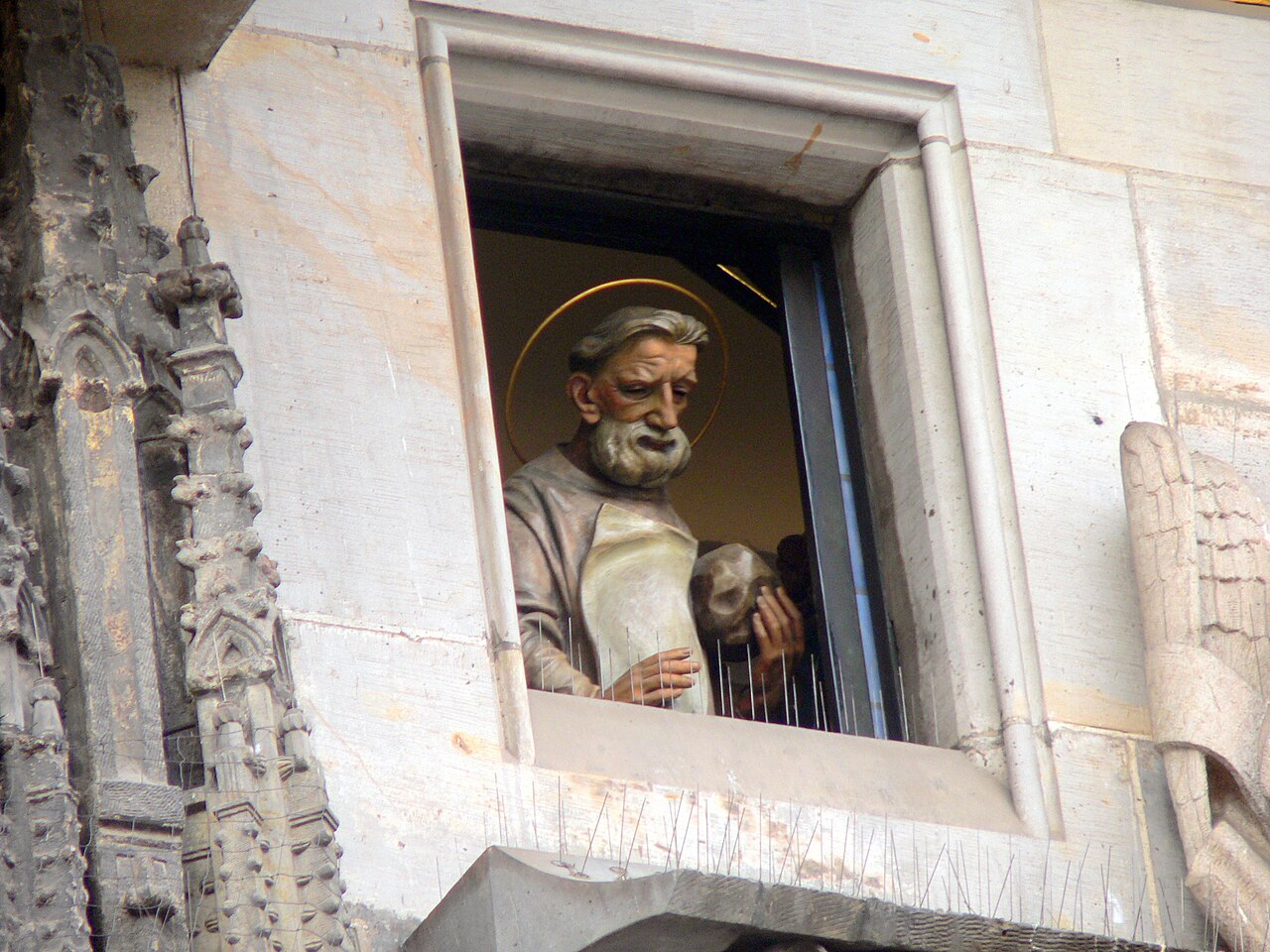
The landmarks most visitors know date from this medieval flowering: Charles Bridge was commissioned in 1357 and finished in the early 1400s, its balustrade carrying 30 Baroque statues. The Astronomical Clock (Orloj) was installed in 1410 — the third-oldest astronomical clock in the world and the oldest still in working order, with its famous hourly procession of the apostles. In modern times, Prague was the stage of the Velvet Revolution of 1989, when demonstrations on Wenceslas Square ended communist rule and returned Czechoslovakia to democracy.
What Makes It Beautiful
Prague's nickname — the City of a Hundred Spires — is not an exaggeration. The beauty comes from layers: Gothic towers rising over Baroque rooftops, the castle silhouette seen from Charles Bridge at dawn, and the pastel facades of Old Town Square.
Stand in Old Town Square on the hour and the Orloj draws a crowd for its mechanical show. For views, climb Petřín Hill — the gardens and lookout tower offer sweeping panoramas over the rooftops and spires. Late evening, when day-trippers leave and the bridge lamps come on, Prague is at its most romantic.
A Day in Local Life
Step away from Old Town and you will find a very different city. Czech daily life runs on beer-hall culture: hearty dishes like svíčková (beef in creamy sauce), goulash and dumplings, washed down with excellent local lagers in historic pubs where the tanks sometimes sit behind glass in the dining room.
Café culture is just as deep — grand old coffee houses with high ceilings sit alongside third-wave espresso spots, and the Farmers' Market in Prague 3 (open Wednesday to Saturday) is a local favourite. Most locals commute by tram — the network is superb, and 24, 48 or 72-hour passes cover unlimited rides. Neighbourhoods like Vinohrady and Žižkov are where Praguers actually eat and drink, far from the tourist crowds of the Old Town.
Visitor Tips: When to Go & How to Save
- Best time to visit: April–June and September–October bring mild weather and thinner crowds than high summer.
- Beat the crowds: see the landmarks at dawn or late evening — the Charles Bridge at 6am is a different place entirely.
- Currency: the Czech Republic uses the Czech koruna (CZK), not the euro. Carry some cash; small pubs and markets may not take cards. Check current exchange rates before you go.
- Save on transport: buy attraction tickets online in advance and use multi-day tram passes — public transport is cheap and excellent.
- Local respect: learn a few Czech phrases (dobrý den, děkuji) — they are warmly received. And watch for pickpockets in crowded Old Town areas, as in any major tourist city.
Prague rewards travellers who slow down: linger in a beer hall, ride a tram across the river, and let the city of a hundred spires do the talking. In 2026, with its value, history and beauty intact, it remains one of Europe's essential city breaks.