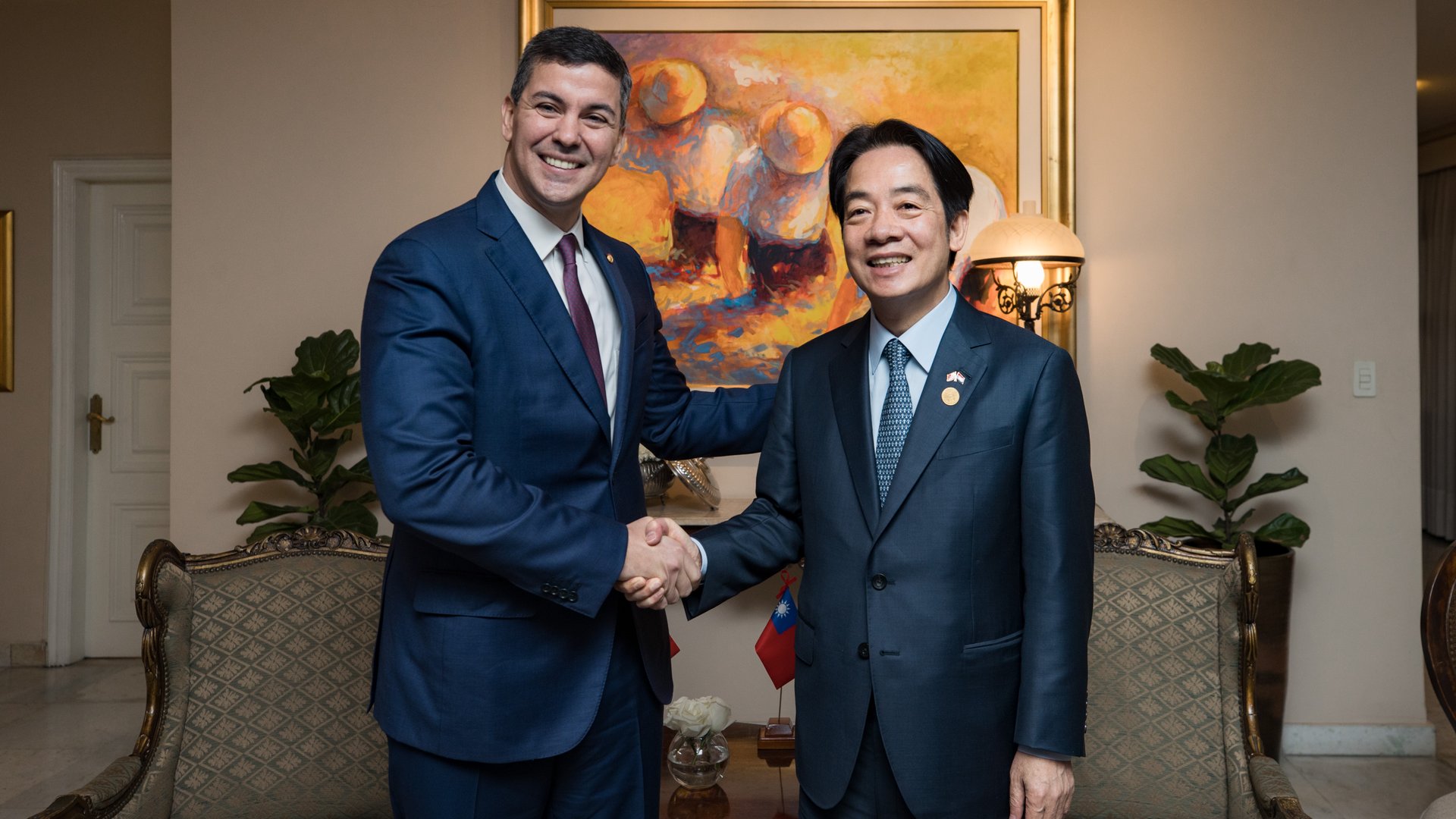
On Friday 6 November 2026, Paraguay's President Santiago Peña lost his job, his immunity and his freedom in a single evening. Senators voted 44 to 0 to remove him from office — with one senator absent — and police arrested him minutes after the vote. The trigger was the collapse of a digital bank, Ueno Bank, earlier in the week, which left an estimated three million people unable to reach their savings and pensions. The whole fall, from the start of impeachment proceedings to house arrest, took three days. This page explains what happened, what Peña is accused of, who is running Paraguay now, and what happens to the millions of people whose money is frozen — in plain language, sticking to what has been reported, without taking sides.
What happened on Friday
The Senate's vote was all but unanimous: 44 of the 45 senators backed impeachment, with one lawmaker absent. Senate President Basilio Núñez announced that Peña had been found guilty of dereliction of duty. The speed of it was striking. Impeachment proceedings had only begun on Wednesday, and Peña had tried to step down the day before the vote — offering his resignation on Thursday. Lawmakers rejected the offer and chose impeachment instead, a route that strips a president of political immunity and opens the way to criminal prosecution.
Minutes after the vote, Peña was arrested and placed under house arrest at his home in Asunción, the capital. A prosecutor and police officers were already waiting outside. Al Jazeera reported that he was later moved to a military base for protection. He is due to be questioned on Saturday by prosecutor Silvia Margarita Gonzalez Vester over allegations of breach of trust, influence peddling and misappropriation of funds. The most serious charges against him could carry up to 10 years in prison, according to reporting by France 24 and CBS News.
His vice-president, Pedro Alliana, was sworn in as interim president the same evening and will serve until the presidential term ends in 2028. Prosecutors have also issued an arrest warrant for the head of the failed bank's parent group, and said they were still determining the full list of possible charges against Peña.
The bank collapse that brought him down
At the centre of the crisis is Ueno Bank, a digital lender with links to Peña's private business interests. The bank collapsed earlier in the week, and its seizure by regulators froze the accounts of an estimated three million depositors — nearly half of Paraguay's adult population, in a country of about 6.8 million people. CBS News reported that the seizure locked almost half of the country's adults out of their accounts, including savings and pensions.
The impeachment charges alleged four things: that Peña had conflicts of interest around the bank, that he manipulated regulatory oversight of it, that he diverted pension funds, and that he took part in an institutional cover-up involving the central bank. These are allegations that have been put to him in the impeachment process; the criminal investigation, and his questioning by prosecutors, will determine what charges are formally brought. Peña has not been convicted of any crime in a court — impeachment is a political removal by Congress, not a criminal verdict.
For ordinary Paraguayans, the politics matter less than the money. Millions of people could not withdraw savings, pay bills or reach pension payments after the bank was seized. What happens to their deposits — whether they are repaid, and when — is now one of the first problems facing the new interim government, and it will be watched closely in the coming weeks.
Who is Santiago Peña?
Santiago Peña, a member of the Colorado Party, took office as president of Paraguay in August 2023. He is an economist by training, a former finance minister and a former central bank board member — a background that made the charges of manipulating financial oversight especially damaging. Before entering politics, he worked at the International Monetary Fund. He won the 2023 election as the candidate of the Colorado Party, which has dominated Paraguayan politics for most of the last 75 years.
Remarkably, lawmakers from his own party joined the vote to remove him. The BBC reported that the vote was unanimous across party lines, including members of Peña's own Colorado Party — a sign of how far the banking crisis had damaged his standing, even among his allies.
Who is running Paraguay now?
Pedro Alliana — interim president
Alliana was Peña's vice-president and was sworn in as interim president on the evening of the impeachment. He will serve until the end of the presidential term in 2028. His first tasks are stabilising the banking system, answering depositors' questions about their frozen money, and working with prosecutors on the investigation into the bank's collapse.
Paraguay's Congress can remove a president with a two-thirds vote in both chambers. The Senate's 44–0 vote cleared that bar easily. The lower house had already backed the process earlier in the week, and the whole removal — from proceedings starting on Wednesday to the Senate vote on Friday — was one of the fastest presidential removals in Latin American history.
Paraguay in context — the country behind the crisis
Paraguay is a landlocked country of about 6.8 million people in the heart of South America, bordered by Argentina, Brazil and Bolivia. It is one of the world's biggest exporters of soybeans and beef, and its economy runs on farming, cattle and hydroelectric power from the giant Itaipu dam, which it shares with Brazil. Most Paraguayans speak Spanish and Guarani, the Indigenous language that is also an official language — one of the few countries in the Americas where an Indigenous language is spoken by almost everyone.
Politically, the Colorado Party has dominated Paraguay for most of the last 75 years, including the 35-year dictatorship of Alfredo Stroessner, which ended in 1989. Since the return to democracy, power has changed hands through elections, but the Colorado Party has won almost all of them. The party's grip on power is part of why Peña's fall is so striking: it was his own party's lawmakers, alongside the opposition, who voted to remove him.
Paraguay is also a member of Mercosur, South America's trade bloc, alongside Argentina, Brazil and Uruguay. Its neighbours will be watching the transition closely: a banking crisis that freezes the savings of half the adult population is not only a Paraguayan problem, because Paraguayan banks, exporters and workers are tied into the region's economy. For now, the transition has been calm and constitutional — a president removed by Congress, a vice-president sworn in the same evening, and no sign of unrest on the streets. Whether it stays that way depends largely on what happens to depositors' money in the coming weeks.
Has this happened before in Paraguay?
Yes — and the parallel is one Paraguayans know well. Peña is the second president to be ousted by impeachment since the end of the Stroessner dictatorship in 1989. The first was Fernando Lugo, removed in 2012 in a similarly rapid process. Lugo's removal took about two days; Peña's took three. Both cases raised the same debate in Paraguay: Congress has the power to remove a president quickly, but critics of the process say speed can come at the cost of a full defence. Supporters say the bank collapse, with millions of people locked out of their money, left Congress no choice but to act fast.
Paraguay's politics have been dominated by the Colorado Party for decades, and the party remains in power through Alliana. What changes is the president — and the questions now facing the government about how a bank with links to the president's own business interests was allowed to grow so large, and who was watching it.
What happens next
- Saturday questioning: Peña is due to be questioned by prosecutor Silvia Margarita Gonzalez Vester over breach of trust, influence peddling and misappropriation of funds. Prosecutors will then decide on formal criminal charges.
- The depositors: about three million people are waiting to learn when — and whether — they will get their savings and pensions back. Regulators and the interim government will have to explain the plan for the seized bank's funds.
- The investigation: prosecutors are examining the bank's collapse, the alleged diversion of pension funds, and the central bank's role. More arrests and charges may follow; a warrant has already been issued for the head of the bank's parent group.
- The interim government: Pedro Alliana serves until 2028. No early election is scheduled; the presidential term simply continues under a new president.
- The region: Paraguay's neighbours and trade partners will be watching whether the transition stays calm and whether the banking system stabilises. Paraguay is a member of Mercosur, South America's trade bloc, and a major exporter of soybeans and beef.
🔗 See also
Frequently asked questions
What happened to Paraguay's President Santiago Peña?
On Friday 6 November 2026, Paraguay's Senate voted 44–0 to impeach and remove him from office, and he was arrested minutes later and placed under house arrest. His vice-president, Pedro Alliana, was sworn in as interim president.
Why was Santiago Peña impeached?
The impeachment followed the collapse of Ueno Bank, a digital lender linked to Peña's private business interests. The charges alleged conflicts of interest, manipulated regulatory oversight, diverted pension funds and an institutional cover-up involving the central bank.
What is Ueno Bank?
Ueno Bank was a digital bank in Paraguay. Its collapse and seizure by regulators earlier in the week left an estimated three million depositors — nearly half of the country's adults — unable to access their savings and pensions.
Who is Pedro Alliana?
Pedro Alliana was Peña's vice-president. He was sworn in as interim president of Paraguay on 6 November 2026 and will serve until the presidential term ends in 2028.
Was Peña arrested?
Yes. He was arrested on Friday minutes after the Senate vote and placed under house arrest in Asunción. Al Jazeera reported he was later moved to a military base for protection. He is due to be questioned by prosecutors on Saturday.
What happens to the depositors' money?
About three million depositors are waiting to learn when they can access their savings and pensions. Regulators and the interim government have not yet announced a full plan for the seized bank's funds.
Has a Paraguayan president been impeached before?
Yes. Peña is the second president removed by impeachment since the end of the Stroessner dictatorship in 1989. Fernando Lugo was ousted in 2012 in a similarly rapid process that took about two days.
What happens next in Paraguay?
Peña faces questioning by prosecutors and possible criminal charges. Pedro Alliana governs as interim president until 2028, and the investigation into the bank's collapse continues, with more charges possible.
Sources
- BBC News — Paraguay's President Santiago Peña impeached and arrested (via Capital FM)
- BBC News — Paraguay's Peña impeached and placed under house arrest
- Associated Press — Paraguay's Congress impeaches President Peña after bank collapse (via Second Read)
- Journal Arta — Santiago Peña ousted, placed under house arrest in Paraguay
All facts are from BBC News, Associated Press and Al Jazeera reporting of 6–7 November 2026. The charges against Peña are allegations in the impeachment process and have not been proven in a criminal court.