Iran Drones Target US Base in Bahrain: What Happened
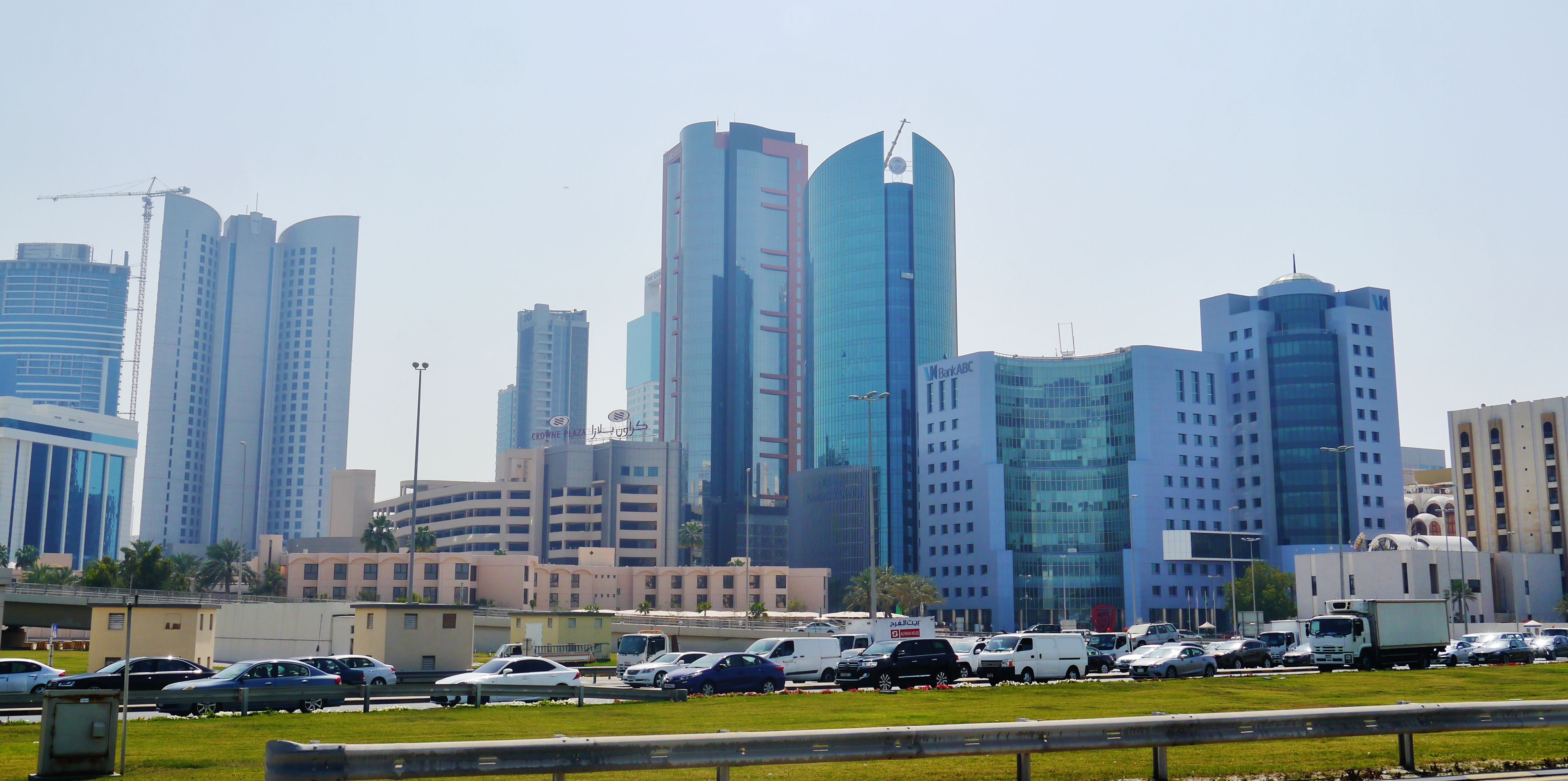
Bahrain said its air defences intercepted and destroyed several Iranian aerial attacks early on Sunday 15 November 2026, while Tehran said it had struck a US military base in the Gulf kingdom. The episode — the second attack aimed at Bahrain in three days — sent air-raid sirens sounding over the capital, Manama, and residents to shelters in the early hours of the morning. It also became one of the most searched stories in the United States on 16 November, as the confrontation between Iran and the United States spilled into a third Gulf state.
The two sides tell different stories about what happened, and that gap is the heart of this story. Bahrain says the drones were stopped before they reached their targets. Iran says its drones hit a US air-defence radar. No US or Bahraini authority has confirmed a hit, and no injuries or damage have been reported. This article reports what each side has said, attributes every claim to its source, and marks clearly what is not confirmed.
What Happened on Sunday Morning
Explosions were heard over Manama at about 4:00 a.m. local time on Sunday 15 November, and again at about 6:30 a.m. Air-raid sirens sounded across the island kingdom, and Bahrain's Interior Ministry issued two nationwide threat alerts — at 5:32 a.m. and 7:50 a.m. — urging residents to go to their nearest safe location. It was the first time Bahrain's air defences had carried out interceptions since September, and the ministry's first nationwide threat warnings since then.
Bahrain's military said its air defences had intercepted several Iranian aerial attacks before they reached their targets. The kingdom's statement accused Tehran of continuing a "systematic hostile approach" towards Bahrain. Residents heard the blasts and the sirens across Manama, and the alerts went out on social media as well as through the siren network.
Bahrain reported no injuries and no damage from the attack. As of Monday morning, the US military's Central Command had made no public comment on Sunday's incident — a contrast with Friday's attack, which it answered within the day.
What Bahrain Said
The General Command of the Bahrain Defence Force confirmed that its air-defence units engaged and destroyed several Iranian aerial targets, "preventing them from reaching their intended targets." The Interior Ministry's alerts urged residents to seek shelter, and the military's statement framed the attack as part of a continuing pattern of hostility from Tehran.
Bahrain's account is that the attack failed: the drones were intercepted, nothing was hit, and nobody was hurt. That is the version supported by the absence of any reported damage or casualties, and by the fact that no US or Bahraini authority has reported a successful strike. It is also the version that fits the kingdom's record in the two months since September, when its defences last fired in anger.
What Iran Said
Iran's Islamic Revolutionary Guard Corps said it had attacked a US military base in Bahrain in retaliation for "hostile US actions", according to Iran's Fars news agency. The Revolutionary Guards said they had launched six drones targeting the US air-defence radar at the Al-Rifaa helicopter base in Bahrain, Iranian state-run Press TV reported. The Guards said the strike was carried out in retaliation for "hostile US actions", and asserted that the impacts were heard across several parts of Bahrain — though Tehran provided no independent verification of damage or casualties.
The claim has not been confirmed by any US or Bahraini authority. Reuters, reporting the story on 15 November, noted expressly that there was "no immediate confirmation from US or Bahraini authorities" of Iran's claim. The distinction matters: Iran says it struck the base; Bahrain says the attack was stopped; only one of those accounts can be complete, and the evidence available so far — no reported damage, no reported injuries — supports Bahrain's account.
US officials have confirmed separately that American strikes hit Iran's Qeshm Island, according to a Washington Post report cited in coverage of the weekend. That is the context Iran points to when it describes its attack as retaliation — though the timing and the targets are disputed, and the US has not confirmed a link between the two events.
The Attack Two Days Earlier
Sunday's attack was the second aimed at Bahrain in three days. On Friday 13 November, the Revolutionary Guards said they had attacked a US early-warning radar facility in Bahrain. The US military denied that claim, saying it had intercepted two Iranian drones without any damage. US Central Command answered Friday's claim within the day, in a public fact-check stating that American forces had shot down both incoming drones.
The pattern is therefore the same in both incidents: Iran claims a successful strike on a US radar facility in Bahrain, and the US and Bahrain say the drones were intercepted with no damage. In Friday's case the US denial was explicit and prompt; in Sunday's case Central Command had not commented as of Monday morning, which leaves Iran's claim formally unanswered for now — but also unconfirmed by anyone other than Iran.
Why Bahrain Matters
Bahrain matters because it hosts key US military facilities, including the US Navy's Fifth Fleet and Naval Forces Central Command headquarters at Naval Support Activity Bahrain in Manama. The Fifth Fleet is responsible for naval operations across the Middle East, and its headquarters puts American forces directly inside Bahrain's air-defence picture — which is why an attack on a radar in Bahrain is, in effect, an attack on the US military presence in the Gulf.
Bahrain is a small island kingdom in the Persian Gulf, connected to Saudi Arabia by a causeway, and it has been a close US ally for decades. It hosts thousands of US service members, and its location — between Saudi Arabia and Iran, across the Gulf from Iran's southern coast — makes it strategically central to any confrontation in the region. An attack on Bahrain is therefore not a local incident: it is a strike at the centre of the US military's Gulf posture.
The Al-Rifaa base at the centre of Iran's claim is a helicopter base roughly a 30-minute drive south of Manama. Iran says its six drones targeted the US air-defence radar there; Bahrain says its defences stopped the attack before it reached its targets. The base's role — hosting US air-defence radar — is what makes it a target, and also what makes the claim of a hit so significant if it were true.
The Wider War, and the Deal Talks
The attacks come in the ninth month of a regional war that began with US and Israeli strikes on Iran on 28 February 2026. President Trump said this week that the war was "effectively over" militarily and "won" by the US, according to The Hill, but the fighting has not stopped: firing between the US and Iran is no longer taking place daily, yet the weekend's drone attacks show the confrontation is still live. The Congressional Budget Office estimated the total cost of the war at $47.1 billion as of 16 October, including $38 billion accrued from the start of the war until the beginning of August.
Reuters reported that the attacks came "amid uncertainty over a deal to end the US-Israeli war on Iran" — a deal whose terms and timing remain unclear. At the same time, President Trump departed Washington on Monday 16 November for Asia, where he is attending the ASEAN summit in Manila and the APEC summit in Shenzhen, with meetings planned with Chinese leader Xi Jinping and Russian President Vladimir Putin. The scheduling collision — a president conducting high-stakes diplomacy in Asia while Iran attacks a US base in the Gulf — limits Washington's ability to manage both crises at once, and it is one reason the Bahrain story drew so much attention on Monday.
Israeli politics are also in motion: representatives for Prime Minister Benjamin Netanyahu and rival Gadi Eisenkot met in Jerusalem to discuss an emergency unity government, though the talks ended without agreement on who would serve as prime minister. The regional picture is therefore fluid on several fronts at once — the war, the deal talks, and the politics of the countries involved.
What Is Not Known Yet
Several important facts remain unconfirmed. No US or Bahraini authority has confirmed that a radar was hit, and no damage or injuries have been reported from either attack. US Central Command has not commented on Sunday's incident, and it is not known whether it will issue a statement or a fact-check as it did on Friday. It is also not known whether further attacks will follow, or whether the US will respond militarily to the two attacks on Bahrain.
The status of the deal to end the war is also unclear. Reuters described "uncertainty" over the deal, and no side has published terms or a timetable. Until that changes, the risk of further attacks — on Bahrain, on other Gulf states hosting US forces, or on US assets elsewhere — remains real, and the situation should be treated as developing. This article will be updated if US Central Command comments or if new confirmed facts emerge.
Frequently Asked Questions
What happened in Bahrain on 15 November 2026?
Bahrain said its air defences intercepted and destroyed several Iranian aerial attacks early on Sunday 15 November. Explosions were heard over Manama at about 4:00 a.m. and 6:30 a.m., sirens sounded, and the Interior Ministry issued two nationwide alerts urging residents to seek shelter.
Did the Iranian drones hit anything in Bahrain?
No hit has been confirmed. Bahrain says the drones were stopped before reaching their targets, and no injuries or damage have been reported. Iran claims its six drones struck a US radar at Al-Rifaa, but no US or Bahraini authority has confirmed that claim.
Who launched the drones at Bahrain?
Iran's Islamic Revolutionary Guard Corps said it launched six drones targeting the US air-defence radar at the Al-Rifaa helicopter base, in retaliation for what it called 'hostile US actions'. The claim was carried by Iranian state media.
What is the Al-Rifaa base in Bahrain?
Al-Rifaa is a helicopter base about a 30-minute drive south of Manama, the capital of Bahrain. Iran says a US air-defence radar is stationed there; that radar was the stated target of Sunday's drone attack.
Was this the first Iranian attack on Bahrain?
No. Two days earlier, on Friday 13 November, Iran said it had attacked a US early-warning radar facility in Bahrain. The US military denied that claim, saying it intercepted two Iranian drones with no damage. Sunday's attack was the second in three days, and the first interceptions by Bahrain's air defences since September.
Was anyone hurt in the Bahrain drone attacks?
No injuries have been reported from either attack. Bahrain reported no injuries or damage from Sunday's attack, and US Central Command said Friday's attack caused no injuries or damage.
Why is the US military based in Bahrain?
Bahrain hosts the US Navy's Fifth Fleet and Naval Forces Central Command headquarters at Naval Support Activity Bahrain in Manama. The Fifth Fleet is responsible for US naval operations across the Middle East, and Bahrain has been a close US ally for decades.
What happens next in the Iran-Bahrain confrontation?
That is not yet known. US Central Command has not commented on Sunday's attack, the status of a deal to end the US-Israeli war on Iran is uncertain, and it is unclear whether further attacks will follow or whether the US will respond. The situation is developing.
Related Reading
- Trump, Putin and Xi to Meet in Shenzhen: What We Know — the Asia diplomacy running alongside the Gulf confrontation.
- Russia-Ukraine Talks in Abu Dhabi: What Happened — the other major negotiation track this month.
- Supreme Court Backs Trump Asylum Ban at Southern Border — the other big US story from this week.
Sources
- Reuters via BusinessWorld — Bahrain intercepts Iranian aerial attacks as Tehran says it attacked US base — the 15 November 2026 report: Bahrain's interceptions, the six drones, Al-Rifaa, the Friday attack, and the deal uncertainty.
- Reuters via SRN News — Bahrain intercepts Iranian aerial attacks as Tehran says it attacked US base — the same Reuters report: the Interior Ministry alerts, the first interceptions since September, and no confirmation from US or Bahraini authorities.
- Fox Rochester / TNND — Sirens send Bahrain residents to shelters as drones target US radar base — the sirens and shelter alerts, the six drones, the second attack in three days, and the Fifth Fleet's presence in Bahrain.
- NPR News Now — 16 November 2026 headlines — Iran's reported attack on the US radar in Bahrain, and Trump's Asia trip.
This article was published on 17 November 2026 and covers events of 13–16 November 2026. Claims by Iran, Bahrain and the US military are attributed to their sources. No hit, damage or injury has been confirmed by US or Bahraini authorities; the situation is developing and this article will be updated if confirmed facts emerge.