 MixKhazana
CIA Unclassified System Hacked, Officials Confirm
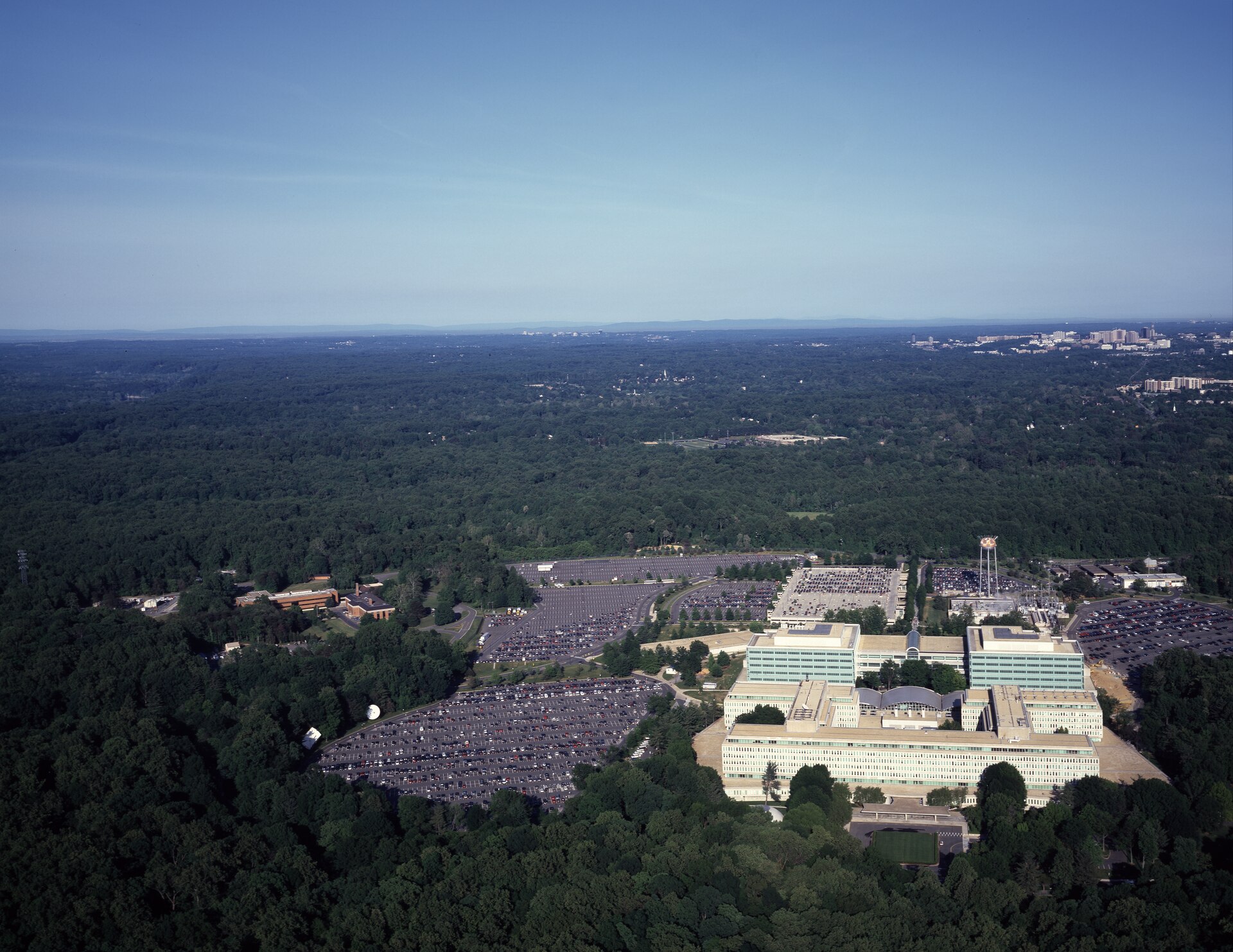
What happened: Hackers breached an unclassified computer system used by the Central Intelligence Agency (CIA), the Office of the Director of National Intelligence (ODNI) and the National Geospatial-Intelligence Agency (NGA) for open-source intelligence analysis — analysis of public and commercially available information. The breach was first reported by The New York Times on Tuesday, 24 November 2026. Officials have confirmed that no classified information or classified systems were affected, and the ODNI said there were "no disruptions to critical capabilities or classified systems". A source cited by the Associated Press said the issue has been resolved. Who was behind the hack, and exactly what was taken, is not known.
A hack of a system used by the CIA sounds alarming at first hearing, but the details confirmed so far tell a narrower story than the headline alone might suggest. The system that was breached was unclassified. It was used for analysing information that is public or commercially available — not for handling the secret material at the heart of the intelligence agencies' work. That distinction is the single most important fact in this story, and it is the one officials have been most careful to stress.
At the same time, much is still not known. Nobody has said publicly who carried out the hack, or exactly what the hackers took. Early reporting points in a direction, and a hacking tool has been named, but neither amounts to a confirmed answer. This article sets out what has been verified so far, what remains unknown, and how this incident sits alongside other, separate cyber incidents that came to light in the same week.
The breach was first reported by The New York Times on Tuesday, 24 November 2026. Since then, the Associated Press, CNN and Nextgov have confirmed the broad shape of the story and added their own reporting. What follows is based on those reports and on officials' statements. Where something is only an early indication or an unconfirmed report, this article says so plainly.
What Happened
Hackers gained unauthorised access to an unclassified system shared by three parts of the United States intelligence community: the Central Intelligence Agency, the Office of the Director of National Intelligence, and the National Geospatial-Intelligence Agency. The system was used for open-source intelligence analysis — working with information that is public or commercially available, such as material published openly, public records, and information bought from commercial providers.
The breach was first reported by The New York Times on Tuesday, 24 November 2026. Officials then confirmed the broad facts. The ODNI said there were "no disruptions to critical capabilities or classified systems" — the two points officials have repeated since: the work that matters most was not disrupted, and the classified side was not touched. A source cited by the Associated Press said the issue has been resolved.
It is worth pausing on what "resolved" means here, and what it does not mean. It means the immediate problem with the system has been dealt with, according to that source. It does not mean the investigation is over. The two questions that matter most — who did this, and what exactly did they take — remain unanswered in public.
The timing added to the attention the story received. The breach became public in the same week as other, separate cyber incidents affecting other parts of the American government, which raised an obvious question — whether the incidents were connected. The administration has answered it directly, saying they are not part of a coordinated cyberattack. The other incidents are set out in their own section below, because keeping them separate matters: each one is a different incident, in a different place.
What Was — and Was Not — Affected
The distinction between an unclassified system and a classified system is the key to understanding this breach, so it is worth explaining in plain terms. A classified system holds secret information — material protected by law, kept on separate networks, and available only to people with the right security clearance. An unclassified system does not hold that material. It is used for work that does not require a clearance, and the information on it is not secret in the same sense.
The system that was breached was unclassified. It was used by the CIA, the ODNI and the NGA for open-source intelligence analysis, known as OSINT. OSINT is intelligence work built on information anyone can, in principle, obtain: news reports, public records, published research, commercially sold satellite imagery, and material posted openly on the internet. Analysts gather that material, check it, and put it together to build a picture of what is happening in the world.
That is why officials have been able to say, with confidence, that no classified information or classified systems were affected. The ODNI's statement — that there were "no disruptions to critical capabilities or classified systems" — was made to draw exactly that line. The classified networks, where secret material is held, were not part of this breach.
None of that means the breach does not matter. An unclassified system used by three intelligence agencies is still a system intelligence analysts rely on for their daily work, and unauthorised access to it is a serious matter. But it is a different kind of event from a breach of a classified network, and readers should not confuse the two. The facts confirmed so far describe a breach of an unclassified OSINT system — nothing more, and nothing less.
What exactly the hackers took from the system is not known. No official statement and no news report so far has given a list of what was accessed or removed. Until that is established, the honest description of the incident is a limited one: an unclassified system was breached, classified systems were not affected, and the question of what was taken is still open.
What Is Known About the Hackers
Very little is known, in confirmed terms, about who carried out the hack. No person or group has been publicly identified as responsible, and no government has been blamed as a matter of established fact. That is the position as it stands, and it should not be filled in with guesses.
What has been reported is a possible tool. The New York Times and Nextgov report that the hackers are believed to have used ARTEX, an AI hacking tool developed by a Chinese cybersecurity engineer known as "Autumn-27". That reporting should be read carefully: the hackers are "believed to have used" the tool — a belief, not a proven fact. The person behind it is identified in the reporting only by the name "Autumn-27".
A tool and a name are not the same as an identity. Knowing — or believing — which tool was used does not by itself say who used it, who paid for it, or who directed the attack. Hacking tools can be shared, sold, copied or reused by others. That is why the reporting on ARTEX is useful context, but it is not an answer to the question of who was behind the breach. The answer to that question is still not known.
The China Question
The question most readers will ask is whether China was involved. Here the distinction between an early indication and a confirmed fact is the whole story.
Sources cited by CNN said early indications suggest the hack may have originated in China. That is the extent of what has been reported on this point. The same CNN reporting makes clear that it is not clear the Chinese government was involved. Those two halves belong together: the first says where the hack may have come from; the second says that involvement by the Chinese government has not been established.
The reporting on ARTEX adds a second, separate thread. ARTEX is reported to have been developed by a Chinese cybersecurity engineer known as "Autumn-27". That is a fact about the tool's reported origin. It is not, on its own, evidence about who used the tool in this attack, or about whether any government was involved. A tool made by one person can be used by another.
None of this is a finding. It is early reporting, based on sources, about indications that are still being examined. The Chinese government has not been blamed as a fact in the reporting or in official statements, and this article does not blame it either. What can be said, accurately, is that early indications reported by CNN suggest the hack may have originated in China, while it remains unclear whether the Chinese government was involved.
A String of Separate Incidents
The CIA breach did not arrive alone. In the same week, three other cyber incidents affecting parts of the American government came to light, and the administration has addressed the obvious question they raise: whether they are connected. The administration says these incidents are not part of a coordinated cyberattack. Each incident is described below on its own terms, because they are separate events.
The first concerns the Financial Crimes Enforcement Network, known as FinCEN. On 25 November 2026, FinCEN disclosed that it is investigating a separate cybersecurity incident, involving unauthorised access to a limited subset of its systems. FinCEN also said there is no evidence so far of a breach of its beneficial-ownership data or of Bank Secrecy Act data.
The second concerns the National Security Agency. An NSA internal network was offline for a time last week. That is a different agency and a different network from the system used by the CIA, the ODNI and the NGA, and a different kind of event from a confirmed breach.
The third concerns the Federal Bureau of Investigation. The FBI is investigating an apparent hack of a national law-enforcement database. Again, this is a separate investigation into a separate system. The word "apparent" reflects the fact that the investigation is still establishing what happened.
Taken together, these three incidents — plus the CIA breach — make for a busy week in American government cybersecurity. But a busy week is not the same as a coordinated campaign, and the administration's position is that they are not one. The Director of National Intelligence, Jay Clayton, appeared on Sunday-morning news shows as officials responded to the week's events in public.
What Happens Next
The most important work now is the investigation. Two questions stand at the centre of it: who carried out the hack, and exactly what was taken. Neither has been answered in public yet, and neither can be answered quickly. Investigators must examine the system, trace how the hackers got in, and work out what they did once they were inside.
Some of that work is already visible. The FBI is investigating the apparent hack of the national law-enforcement database. FinCEN is investigating its own separate incident. The CIA breach itself has been described by a source cited by the Associated Press as resolved — but resolution of the system problem is not the same as the end of the investigation into who did it and what they took.
Officials will also be asked, in the days ahead, about the security of the unclassified systems the intelligence agencies use. The breach shows that even a system holding no classified material is a target. Whether any changes are made to how such systems are protected is a question for the agencies themselves, and no such changes have been announced in the reporting so far.
For readers, the practical advice is simple: follow the sources listed below for updates, and be cautious about claims that go beyond what has been verified. What is known today is that an unclassified system used by the CIA, the ODNI and the NGA for open-source analysis was breached; that no classified systems were affected; that the issue has been described as resolved; and that who did it, and what was taken, remain unknown. Everything else is still to be established — and it will be, in time, by the investigators and the reporters covering them.
Frequently Asked Questions
What happened in the CIA system breach?
Hackers breached an unclassified system used by the CIA, the Office of the Director of National Intelligence and the National Geospatial-Intelligence Agency for open-source intelligence analysis. The breach was first reported by The New York Times on 24 November 2026.
Were any classified systems or classified information affected?
No. Officials have said no classified information or classified systems were affected. The Office of the Director of National Intelligence said there were no disruptions to critical capabilities or classified systems.
What is open-source intelligence (OSINT)?
Open-source intelligence, or OSINT, is analysis based on public and commercially available information, such as news reports and public records, rather than on secret or classified sources.
Who hacked the CIA's unclassified system?
That is not known. Officials and news reports have not identified who was behind the hack, and exactly what was taken is also not known. The investigation is continuing.
What is ARTEX?
According to reporting by The New York Times and Nextgov, ARTEX is an AI hacking tool developed by a Chinese cybersecurity engineer known as Autumn-27. The hackers are believed to have used ARTEX in this breach, but that has not been confirmed as fact.
Did the hack come from China?
That is not confirmed. Sources cited by CNN said early indications suggest the hack may have originated in China, but it is not clear the Chinese government was involved. This remains an unconfirmed early indication, not an established fact.
Are the FinCEN, NSA and FBI incidents connected to the CIA breach?
The administration says these incidents are not part of a coordinated cyberattack. FinCEN disclosed on 25 November 2026 that it is investigating a separate cybersecurity incident, an NSA internal network was offline for a time last week, and the FBI is investigating an apparent hack of a national law-enforcement database.
Has the breach been fixed?
A source cited by the Associated Press said the issue has been resolved. Who was behind the hack and exactly what was taken are still not known, and the investigation continues.
Related Reading
- Democrats Clinch 259 House Seats, Largest Since 1990 — the Democrats' historic House majority after the 3 November 2026 midterms, and what divided government means for the new Congress.
Sources
- AP — hackers breach unclassified CIA system
- The New York Times — first report of the breach
- CNN — early indications on the hack's origin
- Nextgov — ARTEX hacking tool report
This article was published on 26 November 2026 and covers the breach first reported on 24 November 2026. Who was behind the hack and exactly what was taken are still not known — check the sources above for the latest updates.